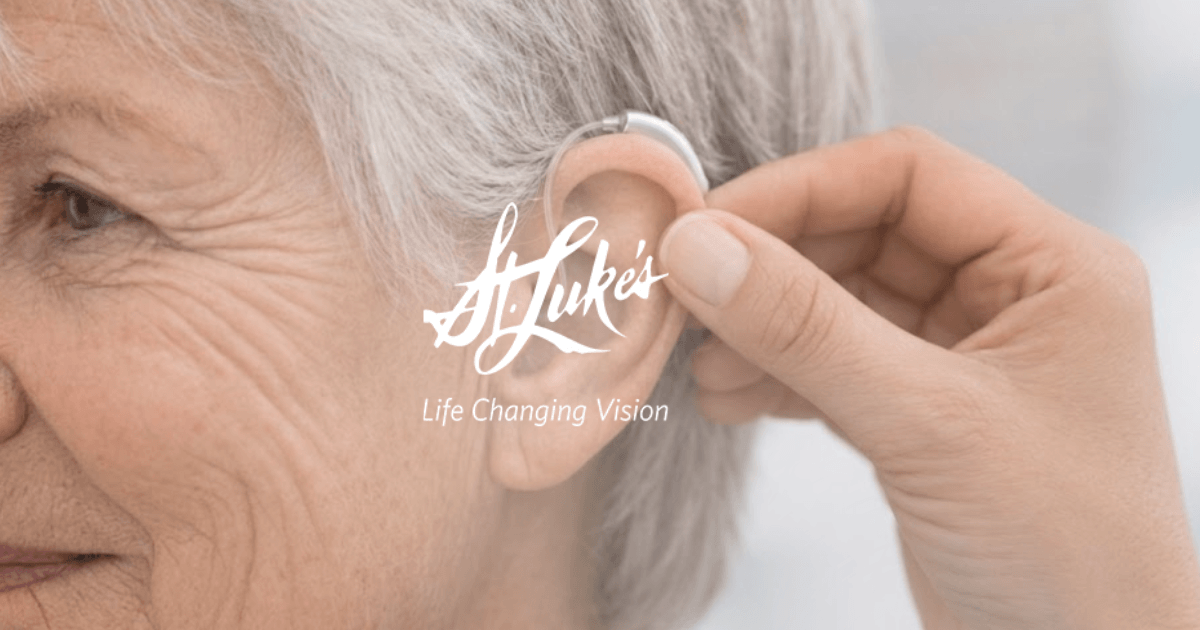
Presbycusis also known as Age-Related hearing loss is the gradual hearing loss that occurs as part of the aging process. It is very common in older adults and usually affects both ears equally. Because it happens slowly, many people don’t notice the changes right away.
People with age-related hearing loss often say, “I can hear people talking, but it’s not clear.” Speech may sound muffled, and conversations, especially in noisy places, can be harder to follow. This happens because higher pitched sounds are usually affected first.
Hearing involves more than just the ears; it also depends on how the brain processes sound. Inside the inner ear is a small structure called the cochlea. It contains thousands of tiny hair cells that help turn sound into signals the brain can understand. As we age, these hair cells can slowly wear down.
The nerve pathways that carry sound from the ear to the brain can also change over time. Because of this, sounds may seem loud enough, but the brain has a harder time understanding them, especially when there is background noise. This is why many people say, “I can hear people talking, but I can’t understand what they’re saying.”
While gradual hearing changes are common with aging, some symptoms should be evaluated by an ENT (ear, nose, and throat) physician prior to seeing an Audiologist. These warning signs may point to another medical condition:
If you notice any of these symptoms, it’s important to seek medical care promptly with your primary care provider or an ENT physician. These findings are not typical of age-related hearing loss and usually require medical evaluation rather than routine hearing care alone.
Because hearing loss develops slowly, many people put off getting help. However, an early evaluation can make a big difference in communication, quality of life, and treatment success.
You may benefit from a hearing evaluation if you notice:
If hearing changes are affecting your daily communication, it’s a good time to schedule an evaluation.
Although age-related hearing loss cannot be reversed, it can be effectively managed. Treatment focuses on improving communication and overall quality of life. Hearing aids are the most common and effective treatment options.
Today’s devices are smaller, more comfortable, and designed to improve speech clarity, not just make things louder. Hearing aids are not one size fits all. During your visit, your hearing provider will review your hearing needs with you and help determine which option is best for you and your daily life.
Additional tools may also help improve communication, including:
Simple changes in daily communication can also make a big difference:
A combination of tools and strategies often provides the best results. These small adjustments can reduce frustration for both patients and their families.
Hearing loss related to aging is common, but it should not be ignored. Early evaluation and appropriate management can improve communication, reduce listening fatigue, and enhance overall quality of life. If you or a loved one has noticed changes in hearing, seeking professional guidance is an important first step.
At St. Luke’s, hearing evaluations and audiological care are provided by licensed audiologists who are part of an experienced, physician-led specialty practice.
If you or a family member has noticed changes in hearing, we invite you to schedule a consultation. Our hearing care providers in the Tampa Bay Area are available to help you understand your options and develop a plan that fits your lifestyle and communication needs.
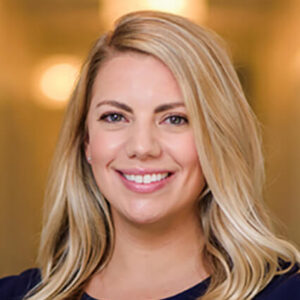
Florida-licensed Audiologist, F-AAA, serving patients throughout the Tampa Bay area.
This article has been reviewed for accuracy by the audiology team at St. Luke’s Cataract & Laser Institute in Florida. For personalized advice about your hearing health and hearing loss, please consult with a qualified hearing care professional.
We proudly serve patients at our eye clinics in Tarpon Springs, Tampa, St. Petersburg, Clearwater, Spring Hill, Wesley Chapel and in The Villages at Lake Sumter Landing and Brownwood. Our philosophy is to treat those we serve as though they are a member of our own families. From the first phone call or email to the follow-up visit and beyond, we’re here to serve you. Our goal is to help preserve and optimize your vision.